After every trip our family takes, we come home feeling lighter, happier, and more connected. Travel isn’t just fun — it can actually be good for your physical health, mental well-being, and relationships.
And no, we’re not talking about needing a luxury resort or a two-week European vacation. Sometimes the healthiest thing you can do is simply step away from your normal routine and experience something new together.
Whether it’s a weekend road trip, a beach vacation, or exploring a city you’ve never visited before, travel has a way of resetting both kids and adults in ways that are hard to replicate at home.
Travel Helps Reduce Stress
Daily life can feel nonstop. School schedules, work deadlines, kids’ sports and activities, cooking and meal planning, laundry and cleaning… it adds up fast.
Travel naturally interrupts that cycle.
According to Harvard Health, chronic stress can negatively affect sleep, digestion, blood pressure, and emotional health. Research also shows that relaxation and stepping away from everyday pressures can help lower stress hormone levels and improve overall well-being.
One of the best parts about family travel is that it forces everyone to slow down a little. Meals become experiences instead of rushed routines. Phones get put away more often. Conversations happen naturally.
Even the simple act of watching a sunset on the beach or hiking a trail together can help your mind reset.
New Experiences Are Good for Your Brain
Travel wakes up your senses in ways that everyday life often doesn’t.
You notice new smells, different foods, unfamiliar sounds, changing landscapes, and cultural traditions you may never experience at home. That mental stimulation is healthy for both kids and adults.
Trying new things helps build adaptability, creativity, and confidence. It also encourages mindfulness because you’re naturally more present when you’re somewhere unfamiliar.
For children especially, travel can become one of the most memorable forms of learning. History feels real when you walk through it. Geography suddenly matters when you see mountains, deserts, or oceans with your own eyes. And trying local foods or meeting people from different backgrounds helps expand a child’s understanding of the world in a way textbooks simply can’t.
Family Travel Strengthens Relationships
If you’re anything like our family, we have a lot going on and are often moving in separate directions all day long. On vacation, you’re sharing experiences together continuously — whether that’s laughing over a missed turn on a road trip, trying a new restaurant, or surviving a surprise rainstorm at a theme park.
Those shared moments become stories your family talks about for years.
Trips may not always be perfect or relaxing, but they create meaningful memories and deeper connection. Traveling together brings families closer because everyone is navigating new experiences as a team. And honestly? Some of the best family memories come from the moments that didn’t go according to plan.
Travel Often Encourages More Physical Activity
Even relaxing vacations often have more physical activity than typical days spent at work and school.
Think about it:
- Walking through airports
- Exploring cities
- Swimming at the beach or pool
- Hiking trails
- Visiting museums
- Walking around theme parks
- Biking around towns
All of that movement adds up.
Movement is strongly connected to lower stress levels and improved mood. Exercise can reduce stress hormones while boosting endorphins, which help improve emotional well-being.
And unlike forcing yourself through a workout at home, vacation activity often feels fun instead of scheduled.
Travel Can Improve Mental Health, Even Before and After Your Trip
Sometimes the healthiest thing you can do is change your environment.
Breaking away from repetitive routines can help reduce mental fatigue and improve perspective. The University of Pittsburgh’s Mind-Body Center found that vacations reduce depression and increase pleasant emotions.
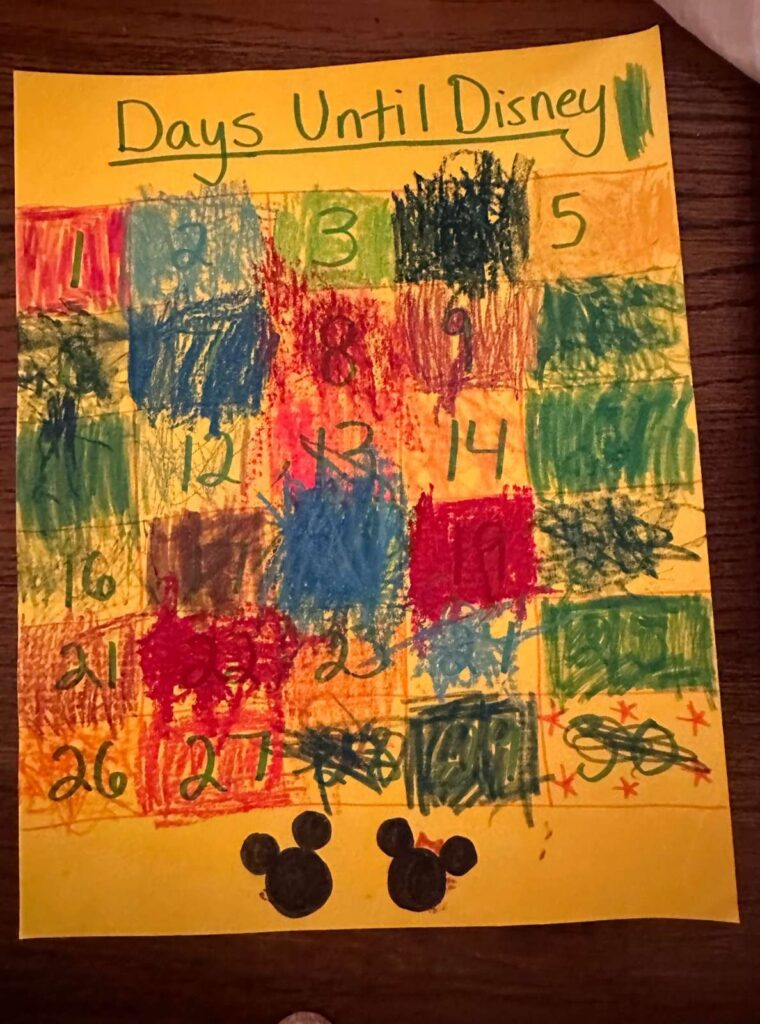
Even anticipating a trip can boost happiness because it gives families something positive to look forward to together. Knowing there’s a break from day-to-day stress coming makes it easier to push through the mundane and builds excitement. Our family likes to create countdown calendars before big trips and discuss our upcoming trips at family dinners. It’s a mental boost before the trip even begins!
The mental benefits also extend after your vacation is over. One study found that the mental and physical benefits of vacations like lower stress, better mood, and better sleep quality, extended 5 weeks after the vacation ended.
Kids Benefit From Travel More Than We Realize
Children may not remember every detail of a trip years later, but travel shapes them in important ways.
Family travel can help kids:
- Build confidence
- Learn patience and flexibility
- Experience different cultures
- Practice problem-solving
- Become more adaptable in unfamiliar situations
- Develop curiosity about the world
And perhaps most importantly, travel gives kids uninterrupted time with the people they love most.
In a world full of distractions, that kind of focused family time matters.
Start Planning a Trip Today!
We can help you plan a great family trip, even with a small budget. Fill out our interest form, and we can start sending you quotes.